perimenopause anxiety treatment in tucson | hormonal causes & care
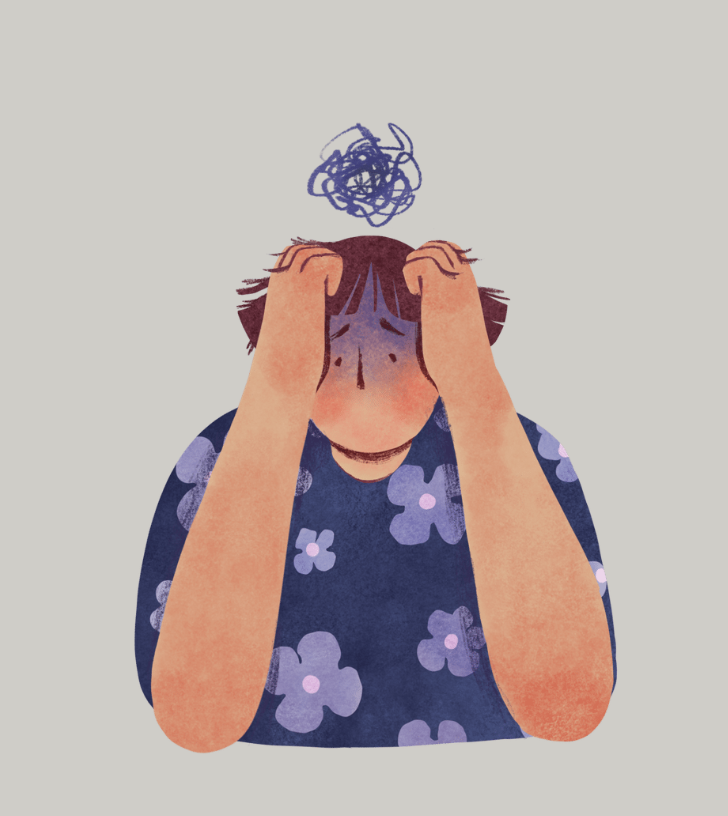
Anxiety during perimenopause is more common than most women realize.
Many women are caught off guard when anxiety shows up or becomes elevated in their 40s. They may have managed stress well for years and then suddenly feel on edge, wake in the night with racing thoughts, or notice they are more reactive than they used to be.
Perimenopause anxiety is not uncommon. It is often physiological.
Perimenopause is not just about irregular cycles and hot flashes. It is a neurologic and hormonal transition. Estrogen and progesterone, which influence the brain and nervous system, begin to fluctuate in unpredictable ways.
Estrogen supports serotonin activity and cognitive steadiness. Progesterone has calming effects through its interaction with GABA receptors. As progesterone declines and estrogen fluctuates, the nervous system can become more sensitive to stress.
Sleep disruption and changes in cortisol regulation often follow. Together, these shifts can increase anxiety symptoms.
What Does Perimenopause Anxiety Feel Like?
Perimenopausal anxiety does not always look like classic generalized anxiety disorder.
Common symptoms include:
Anxiety that worsens before a period
Anxiety that feels physiological and may not be connected to any evident triggers.
Early morning waking with a sense of dread
Increased irritability or overstimulation
Heart palpitations with a normal cardiac evaluation
A new intolerance to caffeine or alcohol
A persistent feeling of not being yourself
Many women search for answers wondering, “Can hormones cause anxiety?” The answer is yes. Hormonal fluctuation during perimenopause can significantly affect mood and stress tolerance.
Why Standard Anxiety Treatment May Not Be Enough
Therapy can be very helpful. Antidepressants and anti-anxiety medications can also play an important role for some women.
However, when anxiety is driven in part by hormone fluctuation, treating anxiety alone may not fully resolve symptoms.
When progesterone drops, sleep suffers. When estrogen fluctuates, serotonin signaling changes. If the nervous system is being destabilized upstream, symptom management without addressing hormonal changes may lead to only partial improvement.
This is why some women improve modestly with conventional anxiety treatment but continue to feel internally unsettled.
When to Consider a Hormone Evaluation for Anxiety
You may want to explore a hormonal component if:
Anxiety is new or exacerbated in your 40s
Symptoms follow a cyclical pattern
Sleep has changed significantly
You also notice irregular periods, brain fog, or weight changes
Blood work has been described as normal, but you do not feel normal
A thoughtful evaluation of perimenopause anxiety looks beyond a single hormone level. It includes menstrual history, thyroid function, metabolic health, stress load, and overall symptom patterns.
Treatment Options for Perimenopause Anxiety
Treatment depends on the individual and the pattern of symptoms.
For some women, progesterone support improves sleep and reduces nighttime anxiety. Others benefit from estrogen therapy when appropriate. Some need metabolic stabilization, improved protein intake, strength training, or targeted nervous system support.
Lifestyle factors also matter. Blood sugar regulation, adequate muscle mass, and restorative sleep all influence anxiety levels during perimenopause.
The goal is not to blunt emotion. It is to restore steadiness and resilience.
When treatment is well matched, women often report:
More consistent sleep
Less internal tension
Improved stress tolerance
A return to their usual baseline, more like themselves
Final Thoughts on Anxiety in Perimenopause
Perimenopause anxiety is common and frequently misunderstood. It does not mean you are weak or failing to cope. It often reflects a hormonal transition that directly affects the brain.
With appropriate evaluation and individualized care, most women experience meaningful improvement.
If you are experiencing new or worsening anxiety in perimenopause, a comprehensive assessment can help determine whether hormones may be contributing and what treatment options are appropriate.
Perimenopause Anxiety Treatment in Tucson
If you are experiencing new or worsening anxiety during perimenopause and live in Tucson, a comprehensive evaluation can help determine whether hormonal changes are contributing.
In my Tucson practice, I assess symptom patterns, sleep, thyroid function, metabolic health, and stress load in addition to hormone levels. Treatment is individualized and may include hormone therapy when appropriate, along with lifestyle and metabolic support.
The goal is not simply to manage anxiety, but to restore physiologic steadiness and long-term resilience.
If you are looking for a more thorough evaluation of perimenopause anxiety in Tucson, you can schedule a consultation to discuss your history and determine the next appropriate steps.